
Книги жанра книги по философии
НЕЗАКОННОЕ ПОТРЕБЛЕНИЕ НАРКОТИЧЕСКИХ СРЕДСТВ, ПСИХОТРОПНЫХ ВЕЩЕСТВ, ИХ АНАЛОГОВ ПРИЧИНЯЕТ ВРЕД ЗДОРОВЬЮ, ИХ НЕЗАКОННЫЙ ОБОРОТ ЗАПРЕЩЕН И ВЛЕЧЕТ УСТАНОВЛЕННУЮ ЗАКОНОДАТЕЛЬСТВОМ ОТВЕТСТВЕННОСТЬ НЕЗАКОННОЕ ПОТРЕБЛЕНИЕ НАРКОТИЧЕСКИХ СРЕДСТВ, ПСИХОТРОПНЫХ ВЕЩЕСТВ, ИХ АНАЛОГОВ ПРИЧИНЯЕТ ВРЕД ЗДОРОВЬЮ, ИХ НЕЗАКОННЫЙ ОБОРОТ ЗАПРЕЩЕН И ВЛЕЧЕТ УСТАНОВЛЕННУЮ ЗАКОНОДАТЕЛЬСТВОМ ОТВЕТСТВЕННОСТЬ. Притча о зёрнах…
От формы развития сознания и мышления зависит восприятие и понимание человеком реальности не только происходящего, но и всей вселенной. Только разумное мышление является источником развития и совершенствования человечества. Имеющиеся “точки зрения” и “мнения” бессмысленны, когда речь идет об истине. Нужно знать и делать то, что дόлжно. Каждый должен в себе самом проделать путь развития до разумнос…

Луций Анней Сенека – крупнейший римский философ, первый представитель стоицизма в Древнем мире. Особую роль в формировании взглядов философа сыграл древнегреческий мыслитель Посидоний. В свою очередь, нравственная позиция и система ценностей Сенеки оказали сильное влияние на его современников и последующие поколения. Произведения Сенеки – всегда откровенный и развернутый «кодекс чести». Любой тру…
Книга серии "Разномыслия". Зачем творить добро? Какая от этого польза и почему это единственный разумный способ жить, ведущий к счастью и благополучию. Главной особенностью книг «Разномыслие» является их беспрецедентная честность и многогранность. Никакой цензуры мысли, абсолютная свобода идей и слов. Разномыслие — путеводитель по лабиринтам мысли. Концентрат информации. Время — деньги. Мысли, кот…
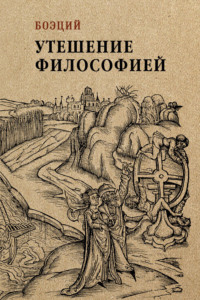
Золотая книга Боэция, соединившая античную тоску по цельности бытия с христианской верностью истине, на многие века стала образцом рассказа об итогах жизни человека. Эту книгу можно считать первым философско-психологическим романом. Точность и смелость мысли позволяет и современному читателю ощутить себя утешенным философией. Книга снабжена предисловием кандидата филологических наук А. Маркова, ра…
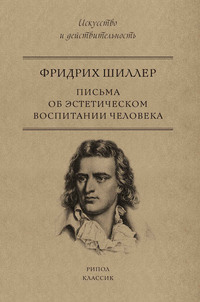
Трактат Фридриха Шиллера о роли искусства в обществе относится к самым глубоким произведениям немецкой философии. Книга, впервые опубликованная в 1795 году, и сегодня актуальна. Начиная с политического анализа современного общества – в частности, Французской революции и ее неспособности реализовать универсальную свободу, – Шиллер замечает, что люди не могут преодолеть свои обстоятельства без образ…
Для чего создавалась вселенная и в чем отличие живого от мертвого? Что такое Логос и для чего нам цивилизация? Почему мораль так важна для нас и есть ли смысл в нашей жизни? Наука не даёт ответов на эти вопросы, а религия догматична и призывает лишь слепо верить. После прочтения этой книги становится понятно, что точка зрения автора местами спорна и отлична от общепринятой. Мировоззрение автора св…

Луций Анней Сенека – крупнейший римский философ, первый представитель стоицизма в Древнем мире. Особую роль в формировании взглядов философа сыграл древнегреческий мыслитель Посидоний. В свою очередь, нравственная позиция и система ценностей Сенеки оказали сильное влияние на его современников и последующие поколения. В сборник вошли избранные «Нравственные письма к Луцилию», трагедии «Медея», «Фед…
На основе этнографических материалов, данных массовых социологических опросов 1970-х годов автор вводит в научный оборот новое представление о феномене т.н. «чётности» сознания великороссов как этноопределяющем типологическом качестве и распространяет его на всю Ойкумену, как инструмент всемирной исторической Этнологии и Антропологии.
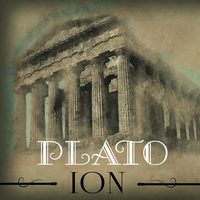
In Plato's Ion (Greek: Ἴων) Socrates discusses with the titular character, a professional rhapsode who also lectures on Homer, the question of whether the rhapsode, a performer of poetry, gives his performance on account of his skill and knowledge or by virtue of divine possession. It is one of the shortest of Plato's dialogues. Famous dialogues of Plato – Early: Apology, Charmides, Crito, Ion, Eu…
The Symposium (Ancient Greek: Συμπόσιον, Sympósion [sympósi̯on]) is a philosophical text by Plato dated c. 385–370 BC. It depicts a friendly contest of extemporaneous speeches given by a group of notable men attending a banquet. The men include the philosopher Socrates, the general and political figure Alcibiades, and the comic playwright Aristophanes. The speeches are to be given in praise of Ero…
The Menexenus (Greek: Μενέξενος) is a Socratic dialogue of Plato, traditionally included in the seventh tetralogy along with the Greater and Lesser Hippias and the Ion. The speakers are Socrates and Menexenus, who is not to be confused with Socrates' son Menexenus. The Menexenus of Plato's dialogue appears also in the Lysis, where he is identified as the «son of Demophon», as well as the Phaedo. T…

Phædo or Phaedo (Greek: Φαίδων, Phaidōn), also known to ancient readers as On The Soul, is one of the best-known dialogues of Plato's middle period, along with the Republic and the Symposium. The philosophical subject of the dialogue is the immortality of the soul. It is set in the last hours prior to the death of Socrates, and is Plato's fourth and last dialogue to detail the philosopher's final …
The Laches (Greek: Λάχης) is a Socratic dialogue written by Plato. Participants in the discourse present competing definitions of the concept of courage. Laches – Athenian general and statesman, son of Melanopus. Famous dialogues of Plato – Early: Apology, Charmides, Crito, Ion, Euthyphro, Hippias MinorIon, Laches, Lysis; Transitional and middle: Cratylus, Euthydemus, Gorgias, Menexenus, Meno, Pha…
Meno (Greek: Μένων, Menōn) is a Socratic dialogue scripted by Plato. It appears to attempt to determine the definition of virtue, or arete, meaning virtue in general, rather than particular virtues, such as justice or temperance. The first part of the work is written in the Socratic dialectical style and Meno is reduced to confusion or aporia. In response to Meno's paradox (or the learner's parado…