
Книги жанра книги по философии
Philosophical Theology and Christian Doctrine surveys and comments on recent work by philosophers of religion in the analytic tradition on the doctrines of the Christian creed. Topics covered include creation, Incarnation, Trinity, salvation and eschatology, and the ultimate future of creation. Comprehensive survey of core Christian doctrines
Philosophical Theology and Christian Doctrine surveys and comments on recent work by philosophers of religion in the analytic tradition on the doctrines of the Christian creed. Topics covered include creation, Incarnation, Trinity, salvation and eschatology, and the ultimate future of creation. Comprehensive survey of core Christian doctrines
Philosophical Theology and Christian Doctrine surveys and comments on recent work by philosophers of religion in the analytic tradition on the doctrines of the Christian creed. Topics covered include creation, Incarnation, Trinity, salvation and eschatology, and the ultimate future of creation. Comprehensive survey of core Christian doctrines
This two-volume collection of cutting edge thinking about science and religion shows how scientific and religious practices of inquiry can be viewed as logically compatible, complementary, and mutually supportive. Features submissions by world-leading scientists and philosophers Discusses a wide range of hotly debated issues, including Big Bang cosmology, evolution, intelligent design, dinosaurs a…
This two-volume collection of cutting edge thinking about science and religion shows how scientific and religious practices of inquiry can be viewed as logically compatible, complementary, and mutually supportive. Features submissions by world-leading scientists and philosophers Discusses a wide range of hotly debated issues, including Big Bang cosmology, evolution, intelligent design, dinosaurs a…
This two-volume collection of cutting edge thinking about science and religion shows how scientific and religious practices of inquiry can be viewed as logically compatible, complementary, and mutually supportive. Features submissions by world-leading scientists and philosophers Discusses a wide range of hotly debated issues, including Big Bang cosmology, evolution, intelligent design, dinosaurs a…
This two-volume collection of cutting edge thinking about science and religion shows how scientific and religious practices of inquiry can be viewed as logically compatible, complementary, and mutually supportive. Features submissions by world-leading scientists and philosophers Discusses a wide range of hotly debated issues, including Big Bang cosmology, evolution, intelligent design, dinosaurs a…

In this wide-ranging work, now available in paperback, Habermas presents his views on the nature of the social sciences and their distinctive methodology and concerns. He examines, among other things, the traditional division between the natural sciences and the social sciences; the characteristics of social action and the implications of theories of language for social enquiry; and the nature, ta…
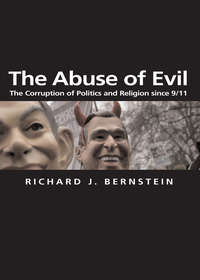
Since 9/11 politicians, preachers, conservatives and the media are all speaking about evil. In the past the dicourse about evil in our religious, philosophic and literary traditions has provoked thinking, questioning and inquiry. But today the appeal to evil is being used as a political tool to obscure compex issues, block serious thinking and stifle public discussion and debate. We are now confro…
Since 9/11 politicians, preachers, conservatives and the media are all speaking about evil. In the past the dicourse about evil in our religious, philosophic and literary traditions has provoked thinking, questioning and inquiry. But today the appeal to evil is being used as a political tool to obscure compex issues, block serious thinking and stifle public discussion and debate. We are now confro…
Since 9/11 politicians, preachers, conservatives and the media are all speaking about evil. In the past the dicourse about evil in our religious, philosophic and literary traditions has provoked thinking, questioning and inquiry. But today the appeal to evil is being used as a political tool to obscure compex issues, block serious thinking and stifle public discussion and debate. We are now confro…
Since 9/11 politicians, preachers, conservatives and the media are all speaking about evil. In the past the dicourse about evil in our religious, philosophic and literary traditions has provoked thinking, questioning and inquiry. But today the appeal to evil is being used as a political tool to obscure compex issues, block serious thinking and stifle public discussion and debate. We are now confro…
Democracy and democratization are now high on the political agenda, but there is growing indifference to the gap between rich and poor. Political equalities matter more than ever, while economic inequality is accepted almost as a fact of life. It is the separation between economic and political that lies at the heart of this book.
Democracy and democratization are now high on the political agenda, but there is growing indifference to the gap between rich and poor. Political equalities matter more than ever, while economic inequality is accepted almost as a fact of life. It is the separation between economic and political that lies at the heart of this book.
Democracy and democratization are now high on the political agenda, but there is growing indifference to the gap between rich and poor. Political equalities matter more than ever, while economic inequality is accepted almost as a fact of life. It is the separation between economic and political that lies at the heart of this book.