
Книги жанра повести
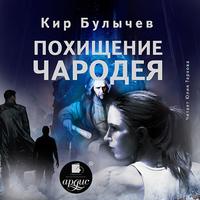
Аудиостудия «Ардис» представляет повесть Кира Булычева «Похищение чародея». Если вы решили отдохнуть в уютном деревенском домике – хорошенько подумайте. Не пришлось бы оказаться втянутым в гнусную историю с похищением из Древней Руси гениального чародея – изобретателя…

«Казначей Матушкин не любил свою дочь, и были у него на то законные причины: двадцать лет назад, служа в губернии чиновником контрольной палаты, будучи хорошо замечен начальством и уверенно мечтая о большой карьере, он женился на дочери разорившегося помещика Кандаурова, а через три месяца после свадьбы ему довелось пережить такую сцену…»

Казалось, это место было проклято Богом. В зимние месяцы сюда почти никто не приезжал, шоссейная дорога пролегала довольно далеко, рейсовые автобусы не ходили, а случайные машины лишь иногда отваживались свернуть с основной дороги, чтобы добраться в непогоду до этого маленького поселка с таким смешным и немного странным именем – Умбаки. Это был единственный на юге страны лепрозорий, в котором жили…
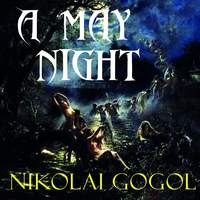
"May Night, or the Drowned Maiden", 1831 is the third tale in the collection Evenings on a Farm Near Dikanka by Nikolai Gogol. It was made into the opera May Night by Nikolai Rimsky-Korsakov in 1878–79 and also a Ukrainian setting by Mykola Lysenko. This story comes from the unnamed story-teller (who was previously responsible for «The Fair at Sorochyntsi»). In this tale, a young Cossack named Lev…
"May Night, or the Drowned Maiden", 1831 is the third tale in the collection Evenings on a Farm Near Dikanka by Nikolai Gogol. It was made into the opera May Night by Nikolai Rimsky-Korsakov in 1878–79 and also a Ukrainian setting by Mykola Lysenko. This story comes from the unnamed story-teller (who was previously responsible for «The Fair at Sorochyntsi»). In this tale, a young Cossack named Lev…
"May Night, or the Drowned Maiden", 1831 is the third tale in the collection Evenings on a Farm Near Dikanka by Nikolai Gogol. It was made into the opera May Night by Nikolai Rimsky-Korsakov in 1878–79 and also a Ukrainian setting by Mykola Lysenko. This story comes from the unnamed story-teller (who was previously responsible for «The Fair at Sorochyntsi»). In this tale, a young Cossack named Lev…
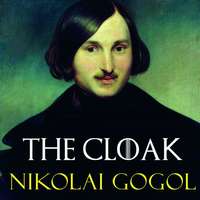
"The Overcoat" (sometimes translated as «The Cloak») is a short story by Ukrainian-born Russian author Nikolai Gogol, published in 1842. The story and its author have had great influence on Russian literature, as expressed in a quote attributed to Fyodor Dostoyevsky: «We all come out from Gogol's 'Overcoat'.» The story narrates the life and death of titular councillor Akaky Akakievich Bashmachkin,…
"The Overcoat" (sometimes translated as «The Cloak») is a short story by Ukrainian-born Russian author Nikolai Gogol, published in 1842. The story and its author have had great influence on Russian literature, as expressed in a quote attributed to Fyodor Dostoyevsky: «We all come out from Gogol's 'Overcoat'.» The story narrates the life and death of titular councillor Akaky Akakievich Bashmachkin,…
"The Overcoat" (sometimes translated as «The Cloak») is a short story by Ukrainian-born Russian author Nikolai Gogol, published in 1842. The story and its author have had great influence on Russian literature, as expressed in a quote attributed to Fyodor Dostoyevsky: «We all come out from Gogol's 'Overcoat'.» The story narrates the life and death of titular councillor Akaky Akakievich Bashmachkin,…
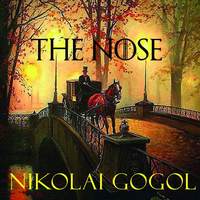
"The Nose" is a satirical short story by Nikolai Gogol written during his time living in St. Petersburg. During this time, Gogol's works were primarily focused on surrealism and the grotesque, with a romantic twist. Written between 1835 and 1836, «The Nose» tells the story of a St. Petersburg official whose nose leaves his face and develops a life of its own. «The Nose» was originally published in…
"The Nose" is a satirical short story by Nikolai Gogol written during his time living in St. Petersburg. During this time, Gogol's works were primarily focused on surrealism and the grotesque, with a romantic twist. Written between 1835 and 1836, «The Nose» tells the story of a St. Petersburg official whose nose leaves his face and develops a life of its own. «The Nose» was originally published in…
"The Nose" is a satirical short story by Nikolai Gogol written during his time living in St. Petersburg. During this time, Gogol's works were primarily focused on surrealism and the grotesque, with a romantic twist. Written between 1835 and 1836, «The Nose» tells the story of a St. Petersburg official whose nose leaves his face and develops a life of its own. «The Nose» was originally published in…
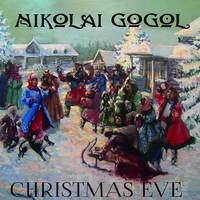
"Christmas Eve" (Russian: Ночь пе́ред Рождество́м, Noch pered Rozhdestvom, which literally translates as «The Night Before Christmas») is the first story in the second volume of the collection Evenings on a Farm Near Dikanka by Nikolai Gogol. The story opens with a description of the winter scenery of Dikanka, Ukraine, a witch flying across the night sky and the devil stealing the moon and hiding …
"Christmas Eve" (Russian: Ночь пе́ред Рождество́м, Noch pered Rozhdestvom, which literally translates as «The Night Before Christmas») is the first story in the second volume of the collection Evenings on a Farm Near Dikanka by Nikolai Gogol. The story opens with a description of the winter scenery of Dikanka, Ukraine, a witch flying across the night sky and the devil stealing the moon and hiding …
"Christmas Eve" (Russian: Ночь пе́ред Рождество́м, Noch pered Rozhdestvom, which literally translates as «The Night Before Christmas») is the first story in the second volume of the collection Evenings on a Farm Near Dikanka by Nikolai Gogol. The story opens with a description of the winter scenery of Dikanka, Ukraine, a witch flying across the night sky and the devil stealing the moon and hiding …