Книги жанра медицина
The application of evidence-based veterinary medicine (EBVM) can assist in improving and optimising the diagnosis, prognosis, control, treatment and ultimately the welfare of animals. It can also provide the user with a methodology for appropriate, patient orientated life-long, self-directed, learning. To practise evidence-based veterinary medicine we require a range of skills that we may not have…
Pet behavior problems are a leading cause of pet abandonment, relinquishment, abuse and neglect. As a reliable and educated source, veterinarians must help guide their clients in the right direction. Blackwell's Five-Minute Veterinary Consult Clinical Companion: Canine and Feline Behavior facilitates veterinarians in counseling clients and treating small animal behavior problems. As part of the po…
Integrating complementary treatment options with traditional veterinary practice is a growing trend in veterinary medicine. Veterinarians and clients alike have an interest in expanding treatment options to include alternative approaches such as Western and Chinese Herbal Medicine, Acupuncture, Nano-Pharmacology, Homotoxicology, and Therapeutic Nutrition along with conventional medicine. Integrati…
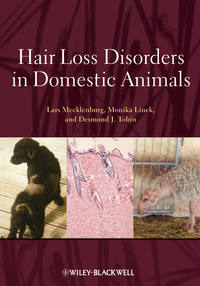
Hair Loss Disorders in Domestic Animals is an in-depth reference on the pathomechanisms and clinical approaches of all skin diseases in domestic animals that have hair loss as the predominant clinical feature. It presents both basic and clinically-relevant knowledge on alopecic disease in animals. This text is a one-of-a-kind resource providing cutting-edge coverage of the physiology and pathology…
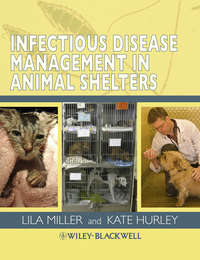
Infectious Disease Management in Animal Shelters is a comprehensive guide to preventing, managing, and treating disease outbreaks in shelters. Emphasizing strategies for the prevention of illness and mitigation of disease, this book provides detailed, practical information regarding fundamental principles of disease control and specific management of important diseases affecting dogs and cats in g…
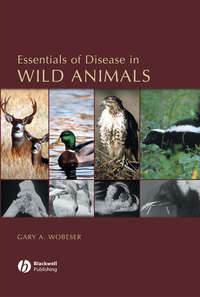
The interrelationship between wild animal, domestic animals and human health is appreciated now more than ever before. This is because of the recognition of the involvement of wild animals in diseases of humans and domestic animals, the impact of disease on wildlife management and conservation biology, recognition of new forms of environmental contamination, and academic interest in disease as an …
The interrelationship between wild animal, domestic animals and human health is appreciated now more than ever before. This is because of the recognition of the involvement of wild animals in diseases of humans and domestic animals, the impact of disease on wildlife management and conservation biology, recognition of new forms of environmental contamination, and academic interest in disease as an …
The interrelationship between wild animal, domestic animals and human health is appreciated now more than ever before. This is because of the recognition of the involvement of wild animals in diseases of humans and domestic animals, the impact of disease on wildlife management and conservation biology, recognition of new forms of environmental contamination, and academic interest in disease as an …
The interrelationship between wild animal, domestic animals and human health is appreciated now more than ever before. This is because of the recognition of the involvement of wild animals in diseases of humans and domestic animals, the impact of disease on wildlife management and conservation biology, recognition of new forms of environmental contamination, and academic interest in disease as an …
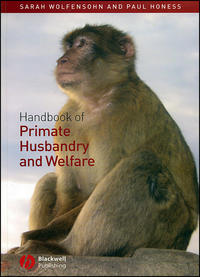
Handbook of Primate Husbandry and Welfare covers all aspects of primate care and management both in the laboratory environment and in zoos. From the welfare and ethics of primate captivity through to housing and husbandry systems, environmental enrichment, nutritional requirements, breeding issues, primate diseases, and additional information on transportation and quarantine proceedings, this book…
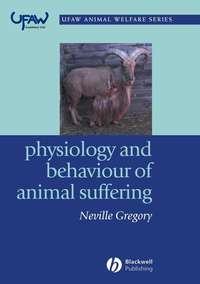
Suffering is a state of mind that is difficult to measure and analyse in human beings and considerably more so in animals. It is related to the environment in which we live and our physical and mental states. Understanding the physiology of suffering in animals is crucial in assessing animal welfare. Written by an expert in applied welfare aspects of physiology, this book is the first to address t…
Suffering is a state of mind that is difficult to measure and analyse in human beings and considerably more so in animals. It is related to the environment in which we live and our physical and mental states. Understanding the physiology of suffering in animals is crucial in assessing animal welfare. Written by an expert in applied welfare aspects of physiology, this book is the first to address t…
Suffering is a state of mind that is difficult to measure and analyse in human beings and considerably more so in animals. It is related to the environment in which we live and our physical and mental states. Understanding the physiology of suffering in animals is crucial in assessing animal welfare. Written by an expert in applied welfare aspects of physiology, this book is the first to address t…
Suffering is a state of mind that is difficult to measure and analyse in human beings and considerably more so in animals. It is related to the environment in which we live and our physical and mental states. Understanding the physiology of suffering in animals is crucial in assessing animal welfare. Written by an expert in applied welfare aspects of physiology, this book is the first to address t…
The first book to offer practical guidelines on the prudent and rational use of antimicrobials in animals. Drawing on multidisciplinary expertise to offer independent scientific advice on a controversial area that is crucial to both human health and animal welfare. The earlier general chapters cover issues such as human health risks and the problems of resistance to antimicrobial drugs. The later …