Книги жанра зарубежная классика

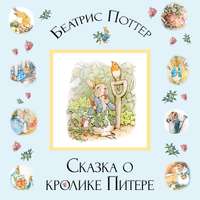
Беатрис Поттер – английская детская писательница, жившая и творившая в начале прошлого века. В Англии сказочницей гордятся и даже считают ее сочинения национальным достоянием. Ее сказки известны и любимы детьми всего мира. Кого там только не увидишь! В них прачка-ежиха Ухти-Тухти стирает одежду лесным жителям, белки запасают орешки на зиму и попадают в переделки, кошечка в сапожках и курточке выхо…
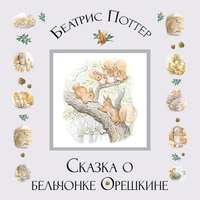
Беатрис Поттер – английская детская писательница, жившая и творившая в начале прошлого века. В Англии сказочницей гордятся и даже считают ее сочинения национальным достоянием. Ее сказки известны и любимы детьми всего мира. Кого там только не увидишь! В них прачка-ежиха Ухти-Тухти стирает одежду лесным жителям, белки запасают орешки на зиму и попадают в переделки, кошечка в сапожках и курточке выхо…
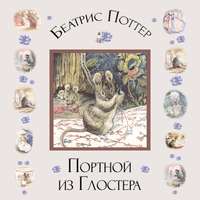
Беатрис Поттер – английская детская писательница, жившая и творившая в начале прошлого века. В Англии сказочницей гордятся и даже считают ее сочинения национальным достоянием. Ее сказки известны и любимы детьми всего мира. Кого там только не увидишь! В них прачка-ежиха Ухти-Тухти стирает одежду лесным жителям, белки запасают орешки на зиму и попадают в переделки, кошечка в сапожках и курточке выхо…
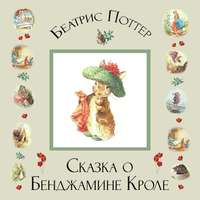
Беатрис Поттер – английская детская писательница, жившая и творившая в начале прошлого века. В Англии сказочницей гордятся и даже считают ее сочинения национальным достоянием. Ее сказки известны и любимы детьми всего мира. Кого там только не увидишь! В них прачка-ежиха Ухти-Тухти стирает одежду лесным жителям, белки запасают орешки на зиму и попадают в переделки, кошечка в сапожках и курточке выхо…
Беатрис Поттер – английская детская писательница, жившая и творившая в начале прошлого века. В Англии сказочницей гордятся и даже считают ее сочинения национальным достоянием. Ее сказки известны и любимы детьми всего мира. Кого там только не увидишь! В них прачка-ежиха Ухти-Тухти стирает одежду лесным жителям, белки запасают орешки на зиму и попадают в переделки, кошечка в сапожках и курточке выхо…
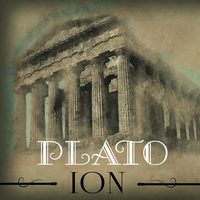
In Plato's Ion (Greek: Ἴων) Socrates discusses with the titular character, a professional rhapsode who also lectures on Homer, the question of whether the rhapsode, a performer of poetry, gives his performance on account of his skill and knowledge or by virtue of divine possession. It is one of the shortest of Plato's dialogues. Famous dialogues of Plato – Early: Apology, Charmides, Crito, Ion, Eu…