Книги жанра зарубежная классика






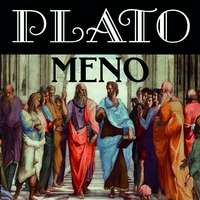
Meno (Greek: Μένων, Menōn) is a Socratic dialogue scripted by Plato. It appears to attempt to determine the definition of virtue, or arete, meaning virtue in general, rather than particular virtues, such as justice or temperance. The first part of the work is written in the Socratic dialectical style and Meno is reduced to confusion or aporia. In response to Meno's paradox (or the learner's parado…
he Republic (Greek: Πολιτεία, Politeia; Latin: Res Publica) is a Socratic dialogue, written by Plato around 375 BC, concerning justice (δικαιοσύνη), the order and character of the just city-state, and the just man. It is Plato's best-known work, and has proven to be one of the world's most influential works of philosophy and political theory, both intellectually and historically. In the dialogue, …
The Allegory of the Cave, or Plato's Cave, was presented by the Greek philosopher Plato in his work Republic (514a–520a) to compare «the effect of education (παιδεία) and the lack of it on our nature». It is written as a dialogue between Plato's brother Glaucon and his mentor Socrates, narrated by the latter. The allegory is presented after the analogy of the sun (508b–509c) and the analogy of the…