Книги жанра зарубежная образовательная литература
This work deals with basic plant physiology and cytology, and addresses the practical exploitation of plants, both as crops and as sources of useful compounds produced as secondary metabolites. Covers problems of commercial exploitation, socio-legal aspects of genetic engineering of crop plants, and of the difficulties of marketing natural compunds produced by cells under artificial conditions.
The Novartis Foundation Series is a popular collection of the proceedings from Novartis Foundation Symposia, in which groups of leading scientists from a range of topics across biology, chemistry and medicine assembled to present papers and discuss results. The Novartis Foundation, originally known as the Ciba Foundation, is well known to scientists and clinicians around the world.
Annual Plant Reviews, Volume 23 A much clearer picture is now emerging of the fine structure of the plant cuticle and its surface, the composition of cuticular waxes and the biosynthetic pathways leading to them. Studies assessing the impact of UV radiation on plant life have emphasized the role of the cuticle and underlying epidermis as optical filters for solar radiation. The field concerned wit…
Polyphenols are the second most abundant class of substances in nature, and include tannins and flavonoids, many of which have extremely important antioxidant properties which have now been shown to have a key role in the prevention of cancer in humans. This important book covers polyphenol chemistry, biosynthesis and genetic manipulation, ecology and plant physiology, food and nutritional aspects…
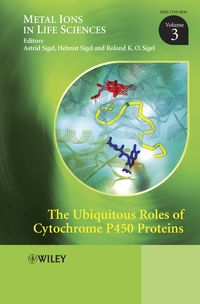
Helmut Sigel, Astrid Sigel and Roland K.O. Sigel, in close cooperation with John Wiley & Sons launch a new Series “Metal Ions in Life Sciences”. There exists a whole range of books on Cytochromes P450, but none with the focus of this volume. This new volume in the Series concentrates on current hot topics in the area and tries to work out the underlying common developments. As a result the reader …
ATP, the intracellular energy source, is also an extremely important cell–cell signalling molecule for a wide variety of cells across evolutionarily diverse organisms. The extracellular biochemistry of ATP and its derivatives is complex, and the multiple membrane receptors that it activates are linked to many intracellular signalling systems. Purinergic signalling affects a diverse range of cellul…
ATP, the intracellular energy source, is also an extremely important cell–cell signalling molecule for a wide variety of cells across evolutionarily diverse organisms. The extracellular biochemistry of ATP and its derivatives is complex, and the multiple membrane receptors that it activates are linked to many intracellular signalling systems. Purinergic signalling affects a diverse range of cellul…
Oxygen sensing is a key physiological function of many tissues, but the identity of the sensor, the signalling pathways linking the sensor to the effector, and the endpoint effector mechanisms are all subjects of controversy. This book evaluates the various mediators that have been proposed, including the mitochondria, NAD(P)H oxidases, cytochrome p450 enzymes, and direct effects on enzymes and io…
Oxygen sensing is a key physiological function of many tissues, but the identity of the sensor, the signalling pathways linking the sensor to the effector, and the endpoint effector mechanisms are all subjects of controversy. This book evaluates the various mediators that have been proposed, including the mitochondria, NAD(P)H oxidases, cytochrome p450 enzymes, and direct effects on enzymes and io…
This book draws together contributions from cell and developmental biologists, structural biologists, geneticists and clinical scientists aimed at a better understanding of the cellular and molecular basis of these diseases. Topics include: How nuclear structure and location within a nucleus affect gene expression Chromatin organization and cell differentiation The nature of the interactions betwe…
The Novartis Foundation Series is a popular collection of the proceedings from Novartis Foundation Symposia, in which groups of leading scientists from a range of topics across biology, chemistry and medicine assembled to present papers and discuss results. The Novartis Foundation, originally known as the Ciba Foundation, is well known to scientists and clinicians around the world.
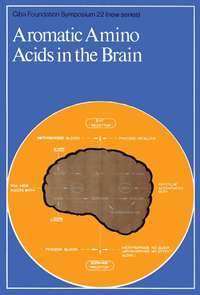
The Novartis Foundation Series is a popular collection of the proceedings from Novartis Foundation Symposia, in which groups of leading scientists from a range of topics across biology, chemistry and medicine assembled to present papers and discuss results. The Novartis Foundation, originally known as the Ciba Foundation, is well known to scientists and clinicians around the world.
The Novartis Foundation Series is a popular collection of the proceedings from Novartis Foundation Symposia, in which groups of leading scientists from a range of topics across biology, chemistry and medicine assembled to present papers and discuss results. The Novartis Foundation, originally known as the Ciba Foundation, is well known to scientists and clinicians around the world.
The Novartis Foundation Series is a popular collection of the proceedings from Novartis Foundation Symposia, in which groups of leading scientists from a range of topics across biology, chemistry and medicine assembled to present papers and discuss results. The Novartis Foundation, originally known as the Ciba Foundation, is well known to scientists and clinicians around the world.
This book brings together contributions from key investigators in the area of Transient Receptor Potential (TRP) channel structure and function. It covers the structure, function and regulation of mammalian TRP channels and mechanisms of signal transduction. The discussions indicate research that would improve understanding of the role of TRP channels in normal cellular physiology, the involvement…