Книги жанра зарубежная религиозная литература

The seventh and final Odd Thomas thriller from the master storyteller.The future is haunting Odd Thomas.The carnival has returned to Pico Mundo, the same one that came to town when Odd was just sixteen. Odd is drawn to an arcade tent where he discovers Gypsy Mummy, the fortune-telling machine that told him that he and Stormy Llewellyn were destined to be together forever.But Stormy is dead and Pic…

«Бог добрый» – это больше, чем позитивная мысль или учение веры. Ваше отношение к этим двум словам способно сформировать вашу жизнь и определить ваше предназначение. Ваше представление о Боге решает все – оно будет зажигать вашу молитвенную жизнь верой и ожиданием или угашать ее неопределенностью и сомнением. Вы видите либо Отца, всегда верного и никогда не меняющегося, либо далекое божество с неп…

Philliphe is a victorious man in every aspect of life. Nothing else can wish to be happy until something terrible happens. The new situation provokes a great revolt in your world. Lost, just stumbled onto at the thought of an innocent young man. His words are so comforting and optimistic that opens a new perspective amid so much pain. Is launched then the following challenge:Be able understand the…


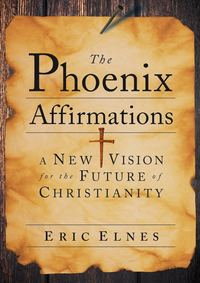
The Phoenix Affirmations, named for the town in which the principles were created and the mythological bird adopted by ancient Christians as a symbol of resurrection, offers disillusioned and spiritually homeless Christians and others a sense of hope and a more tolerant, joyful, and compassionate message than those we often hear from the media and some Christian leaders. These twelve central affir…
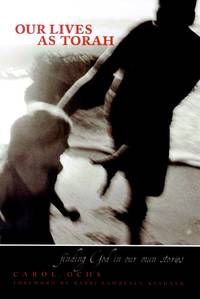
In this powerful book, Carol Ochs shows us how to develop a personal theology by examining our life stories, learning to recognize God at work in them, and bringing them into conversation with Torah. Using timeless biblical texts as lenses to see the present, she helps us understand who we are and who God is for us by exploring the tightly interwoven basic elements of our lives–our love, suffering…