
Книги жанра зарубежная старинная литература

Полная версия
Добавить В библиотекуАвторизуйтесь, чтобы добавить
Полная версия
Добавить В библиотекуАвторизуйтесь, чтобы добавить
Полная версия
Добавить В библиотекуАвторизуйтесь, чтобы добавить
Полная версия
Добавить В библиотекуАвторизуйтесь, чтобы добавить
Автор: Лаймен Фрэнк Баум
Название: The Land of Oz
Полная версия
Добавить В библиотекуАвторизуйтесь, чтобы добавить
Полная версия
Добавить В библиотекуАвторизуйтесь, чтобы добавить

Полная версия
Добавить В библиотекуАвторизуйтесь, чтобы добавить
Полная версия
Добавить В библиотекуАвторизуйтесь, чтобы добавить
Полная версия
Добавить В библиотекуАвторизуйтесь, чтобы добавить
Добавить В библиотекуАвторизуйтесь, чтобы добавить
Аннотация на книгу:
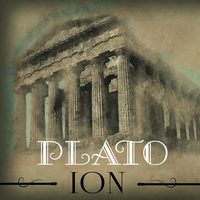
In Plato's Ion (Greek: Ἴων) Socrates discusses with the titular character, a professional rhapsode who also lectures on Homer, the question of whether the rhapsode, a performer of poetry, gives his performance on account of his skill and knowledge or by virtue of divine possession. It is one of the shortest of Plato's dialogues. Famous dialogues of Plato – Early: Apology, Charmides, Crito, Ion, Eu…

Полная версия
Добавить В библиотекуАвторизуйтесь, чтобы добавить

Полная версия
Добавить В библиотекуАвторизуйтесь, чтобы добавить
Полная версия
Добавить В библиотекуАвторизуйтесь, чтобы добавить
Полная версия
Добавить В библиотекуАвторизуйтесь, чтобы добавить
Полная версия
Добавить В библиотекуАвторизуйтесь, чтобы добавить
Авторизация