
Книги жанра мукомольное производство

Sensory testing and measurement are the main functions of sensory analysis. In recent years, the sensory and consumer field has evolved to include both difference testing and similarity testing, and new sensory discrimination methods such as the tetrads have received more attention in the literature. This second edition of Sensory Discrimination Tests and Measurements is updated throughout and res…
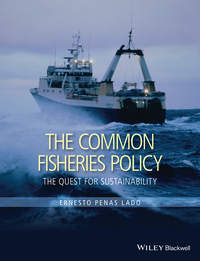
Written by Ernesto Penas of the European Commission’s Directorate-General for Maritime Affairs and Fisheries, this thorough and comprehensive book provides a full understanding of the European Commission’s common fisheries policy (CFP), which is of major importance to all fisheries scientists and managers. Commencing with introductory chapters which look at the history behind the CFP, its birth an…
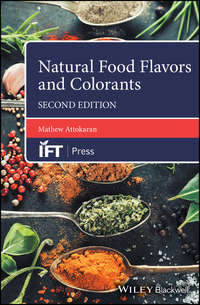
In this book the author utilizes his over fifty years of experience in food chemistry and technology in order to produce the most detailed and comprehensive guide on natural food flavors and colors. Unique coverage of natural flavors and natural colorants in the same volume Includes chemical structures of all principal constituents and CAS, FEMA and E numbers. Wherever available FCC (Food Chemical…

A comprehensive guide, offering a toxicological approach to food forensics, that reviews the legal, economic, and biological issues of food fraud Food Forensics and Toxicology offers an introduction and examination of forensics as applied to food and foodstuffs. The author puts the focus on food adulteration and food fraud investigation. The text combines the legal/economic issues of food fraud wi…
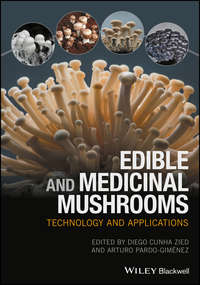
Comprehensive and timely, Edible and Medicinal Mushrooms: Technology and Applications provides the most up to date information on the various edible mushrooms on the market. Compiling knowledge on their production, application and nutritional effects, chapters are dedicated to the cultivation of major species such as Agaricus bisporus, Pleurotus ostreatus, Agaricus subrufescens, Lentinula edodes, …
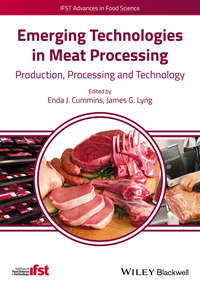
Meat is a global product, which is traded between regions, countries and continents. The onus is on producers, manufacturers, transporters and retailers to ensure that an ever-demanding consumer receives a top quality product that is free from contamination. With such a dynamic product and market place, new innovative ways to process, package and assess meat products are being developed. With ever…
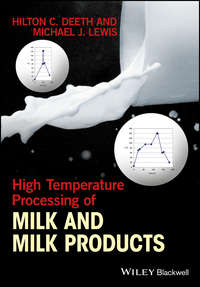
This book covers many aspects of thermal processing of milk and milk products with particular focus on UHT processing. It commences with an overview of the major thermal processing technologies: thermisation, pasteurisation, extended-shelf-life (ESL), UHT and in-container sterilisation. It discusses the principles of the technologies, the processing and packaging equipment used, processing issues …
Now in a revised second edition, Nutrigenomics and Proteomics in Health and Disease brings together the very latest science based upon nutrigenomics and proteomics in food and health. Coverage includes many important nutraceuticals and their impact on gene interaction and health. Authored by an international team of multidisciplinary researchers, this book acquaints food and nutrition professional…
Throughout history, human beings have sought ways to enhance the flavor of the foods they eat. In the 21st century, biotechnology plays an important role in the flavor improvement of many types of foods. This book covers many of the biotechnological approaches currently being applied to flavor enhancement. The contribution of microbial metabolism to flavor development in fermented beverages and da…

The determination of food authenticity is a vital component of quality control. Its importance has been highlighted in recent years by high-profile cases in the global supply chain such as the European horsemeat scandal and the Chinese melamine scandal which led to six fatalities and the hospitalisation of thousands of infants. As well as being a safety concern, authenticity is also a quality crit…
The increasing demand for healthy foods has resulted in the food industry developing functional foods with health-promoting and/or disease preventing properties. However, many of these products bring new challenges. While drugs are taken for their efficacy, functional foods need to have tastes that are acceptable to consumers. Bitterness associated with the functional foods is one of the major cha…
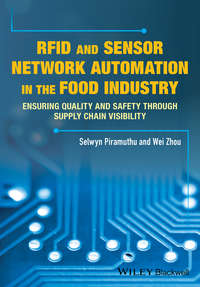
Radio Frequency Identification (RFID) is a key technology in the food industry that facilitates real-time visibility of items as they move through the supply chain and on to the end-consumer. Among all the currently available automatic identification technologies, RFID has clear dominance in terms of its ability to support real-time two-way communication, data storage and update, authentication, a…
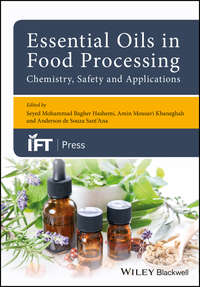
A guide to the use of essential oils in food, including information on their composition, extraction methods, and their antioxidant and antimicrobial applications Consumers’ food preferences are moving away from synthetic additives and preservatives and there is an increase demand for convenient packaged foods with long shelf lives. The use of essential oils fills the need for more natural preserv…

Lactic acid bacteria (LAB) have historically been used as starter cultures for the production of fermented foods, especially dairy products. Over recent years, new areas have had a strong impact on LAB studies: the application of ?omics? tools; the study of complex microbial ecosystems, the discovery of new LAB species, and the use of LAB as powerhouses in the food and medical industries. This sec…
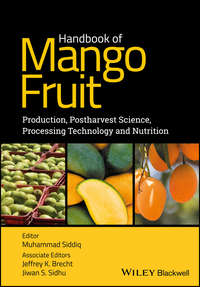
Written by noted experts in the field, Handbook of Mango Fruit: Production, Postharvest Science, Processing Technology and Nutrition offers a comprehensive resource regarding the production, trade, and consumption of this popular tropical fruit. The authors review the geographic areas where the fruit is grown and harvested, including information on the ever-expanding global marketplace that highli…